
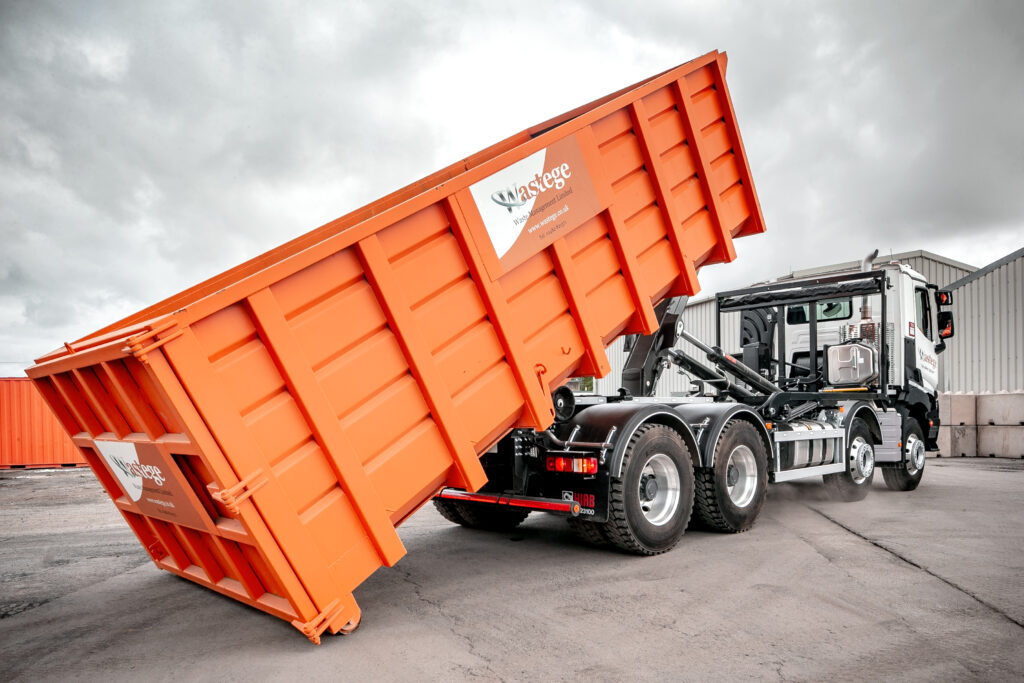
Thinking about changing your commercial waste collection company? Here’s how to switch providers without disrupting collections or creating unnecessary costs.
Changing waste management providers might seem like more trouble than it’s worth, particularly if your business has used the same company for years. There’s the existing contract to consider, new collection arrangements to organise and the risk of being left with overflowing bins if something goes wrong during the transition.
However, staying with an unsuitable provider can be just as frustrating. Missed collections, unexpected price increases and poor communication can quickly become expensive problems, particularly for businesses that produce large quantities of waste.
The good news is that switching waste management companies doesn’t have to be complicated. With a little preparation, most businesses can arrange a new service while keeping their existing collections running until the changeover.
Here’s what you should consider before making the switch.
When Should You Consider Changing Waste Management Providers?
There’s no reason to change providers if your current service works well and you’re happy with what you’re paying. However, it’s worth reviewing your arrangements periodically, particularly if your business has grown or your waste requirements have changed.
Reliability is often the biggest reason businesses start looking elsewhere. An occasional delayed collection might be manageable, but repeated missed collections can cause serious problems when storage space is limited.
Price is another common concern. Waste collection costs can change over time, and businesses sometimes discover they’re paying for containers or collections they no longer need. If your current provider hasn’t reviewed your requirements for several years, you could be spending more than necessary.
It’s also worth considering whether your existing company can handle all the waste your business produces. A manufacturer, for example, might initially need general waste collections but later require specialist support for oils, chemicals or contaminated materials.
Rather than managing several separate contracts, it may be more practical to work with a company that can provide both commercial collections and hazardous waste management.
Step 1: Review Your Existing Waste Management Contract
Before contacting another provider, check the terms of your current agreement.
Some commercial waste contracts have fixed terms, automatic renewal clauses or specific notice periods. Others allow businesses to make changes with relatively little notice.
Find out when your contract expires and how much notice you need to give. It’s also worth checking whether there are any early termination charges or outstanding equipment rental agreements.
Don’t assume that cancelling your direct debit is enough to end your contract. Most providers require formal written notice, and failing to follow the agreed cancellation procedure could leave you liable for additional charges.
If you’re unhappy with your existing service, check whether your contract contains provisions covering repeated missed collections or other service failures.
Keep copies of your correspondence and obtain written confirmation of your cancellation date. This will make it much easier to coordinate the start of your new service.
Step 2: Understand What Your Business Actually Needs
Switching providers is a useful opportunity to review your waste arrangements rather than simply replacing your existing contract with an identical one.
Start by looking at how much waste your business produces and whether your current containers are suitable.
Are your bins regularly overflowing before collection day? Are you paying for collections when they’re only half full? Has your business introduced new recycling arrangements or started producing additional waste streams?
These are all worth considering before requesting quotations.
For example, a warehouse that previously relied on several general waste bins might benefit from separating cardboard and packaging materials. A manufacturing facility may need additional containers for waste generated during maintenance.
Your collection frequency should also reflect how your business operates. If you’re unsure whether your existing schedule is appropriate, our guide to how often business waste should be collected explains what to consider.
A professional waste evaluation can also help identify where changes to your existing arrangements might reduce costs.
Step 3: Compare Waste Management Companies
Once you understand your requirements, you can start comparing alternative providers.
Price will naturally influence your decision, but make sure you’re comparing equivalent services. A cheaper quotation isn’t necessarily better value if it excludes equipment rental, charges extra for certain waste streams or offers a collection schedule that doesn’t suit your business.
Ask prospective providers to explain exactly what’s included in their quotation and whether additional charges could apply.
Reliability is equally important. Find out how missed collections are handled, whether your collection schedule can be adjusted and who you’ll contact if something goes wrong.
If your business produces specialist waste, check that your new provider can arrange appropriate collections and that the waste will be handled through authorised carriers and facilities.
For businesses dealing with several waste streams, having one company coordinate everything can make day-to-day waste management considerably easier.
It’s also worth asking whether your prospective provider can supply suitable skips and bins or other storage equipment if your existing containers belong to your current contractor.
Step 4: Check Your Waste Compliance Requirements
Changing providers doesn’t remove your legal responsibilities as a waste producer.
Businesses have a Duty of Care to ensure their waste is stored appropriately and transferred to authorised organisations. Before switching, you should check the relevant waste carrier registration and confirm that the proposed disposal arrangements are suitable for the materials your business produces.
You’ll also need to make sure the correct waste transfer documentation is provided.
If your business produces hazardous waste, additional requirements apply. Waste must be classified correctly, and hazardous waste movements generally require consignment notes.
Our guide to hazardous waste regulations explains these responsibilities in more detail.
You should also retain the relevant documentation from your previous provider. Changing contractors doesn’t mean you can discard historical waste records, particularly where statutory retention periods apply.
Step 5: Arrange Your New Containers and Collection Schedule
One of the most important parts of switching waste management providers is coordinating the changeover.
If your current contractor owns your bins, they’ll usually need to collect them when your agreement ends. Your new provider will then need to deliver replacement containers before the first scheduled collection.
Ideally, these arrangements should happen as close together as possible.
Leaving several days between removing your old containers and receiving new ones could create problems, particularly if your business produces large quantities of waste.
You should also consider access arrangements. If your bins are stored behind locked gates or collections need to take place outside normal working hours, make sure your new provider understands these requirements before the service begins.
For businesses producing liquid or hazardous waste, changing providers may also involve reviewing storage arrangements. Depending on the materials involved, you may need suitable waste drums, IBCs or other specialist containers.
Agree on the delivery date, first collection date and any equipment changes before confirming your existing service’s final collection.
Step 6: Avoid Gaps Between Waste Collections
The biggest practical risk when switching providers is being left without a collection service.
This can be particularly problematic for restaurants, manufacturers and other businesses that produce waste continuously.
Before your existing contract ends, confirm that your new provider has everything needed to begin collections. This includes access instructions, container delivery arrangements and any information required to handle specialist waste streams.
If possible, arrange for your new containers to arrive before your old ones are removed, provided you have sufficient space and your contracts allow it.
You should also make sure staff know when the changeover is happening. If container types or recycling arrangements are changing, explain the new setup before the first collection.
For larger sites, it may be worth assigning someone to oversee the transition and confirm that the first collection has taken place successfully.
Can Switching Waste Providers Reduce Your Costs?
Potentially, although changing companies doesn’t automatically guarantee a saving.
The biggest opportunities often come from reviewing your waste requirements rather than simply negotiating a lower collection price.
Businesses sometimes continue paying for the same collection schedule long after their requirements have changed. Others use general waste containers for materials that could be separated and recycled.
If your existing arrangements haven’t been reviewed recently, switching providers gives you an opportunity to address these issues.
It’s worth comparing the total cost of each proposal rather than focusing on the price per collection. Container rental, waste treatment charges and additional services can all affect your overall expenditure.
Our guide to commercial waste collection costs provides more information about the factors that influence pricing.
What If Your Business Produces Hazardous Waste?
Switching hazardous waste contractors requires some additional planning.
Unlike routine general waste collections, hazardous waste disposal depends on the properties of the materials involved. Your new provider may need information about the waste’s composition, classification, packaging and estimated quantities before arranging collection.
If your existing contractor has been managing these arrangements for several years, make sure the relevant information is available to your new provider.
Don’t assume that every hazardous waste company accepts every type of material. Confirm that your new contractor can manage your specific waste streams before cancelling your existing arrangements.
Where necessary, a waste assessment can help establish suitable collection and treatment requirements.
This is particularly important for manufacturing businesses, laboratories and industrial facilities that produce several different hazardous materials.
How Wastege Can Help You Switch Providers
Wastege works with businesses across the UK, providing commercial waste management and specialist hazardous waste services.
If you’re considering changing providers, we can review your existing arrangements and discuss what you’re looking for from a new service.
We’ll look at the waste your business produces, your current collection schedule and whether your existing containers are suitable. Where appropriate, we can recommend changes that may improve efficiency or reduce unnecessary costs.
We can also help coordinate new collection arrangements around your existing contract, making the transition as straightforward as possible.
Whether you’re looking for routine commercial waste collections or need support with more complicated industrial waste streams, our team can discuss the options available for your business.
Frequently Asked Questions
Can I switch waste management providers before my contract ends?
Possibly. This depends on the terms of your existing agreement. Some contracts allow early termination, while others include notice periods or cancellation charges. Check your contract before making arrangements with a new provider.
Will my new waste management company provide bins?
Many waste management companies can provide suitable containers as part of their service. Confirm what equipment is included in your quotation and arrange delivery before your existing containers are removed.
How long does it take to change waste management companies?
The timescale depends largely on your existing contract and the services you require. Straightforward commercial waste collections may be relatively simple to arrange, while specialist hazardous waste services can require additional preparation.
Do I need to keep waste transfer notes from my previous provider?
Yes. You should retain waste documentation for the applicable statutory period. In England, waste transfer notes generally need to be retained for at least two years, while hazardous waste consignment notes generally need to be retained for at least three years.
Can I use one provider for commercial and hazardous waste?
Yes, provided the company can arrange appropriate collection and disposal for each waste stream. Using one provider can simplify administration, particularly for businesses producing several types of waste.
Looking to Change Waste Management Providers?
If you’re unhappy with your current waste collection service or simply want to find out whether there’s a better arrangement for your business, speak to Wastege.
We’ll review your requirements, explain the available options and help you plan a changeover that minimises disruption to your operations.
Contact Wastege today for a free, no-obligation quotation.