
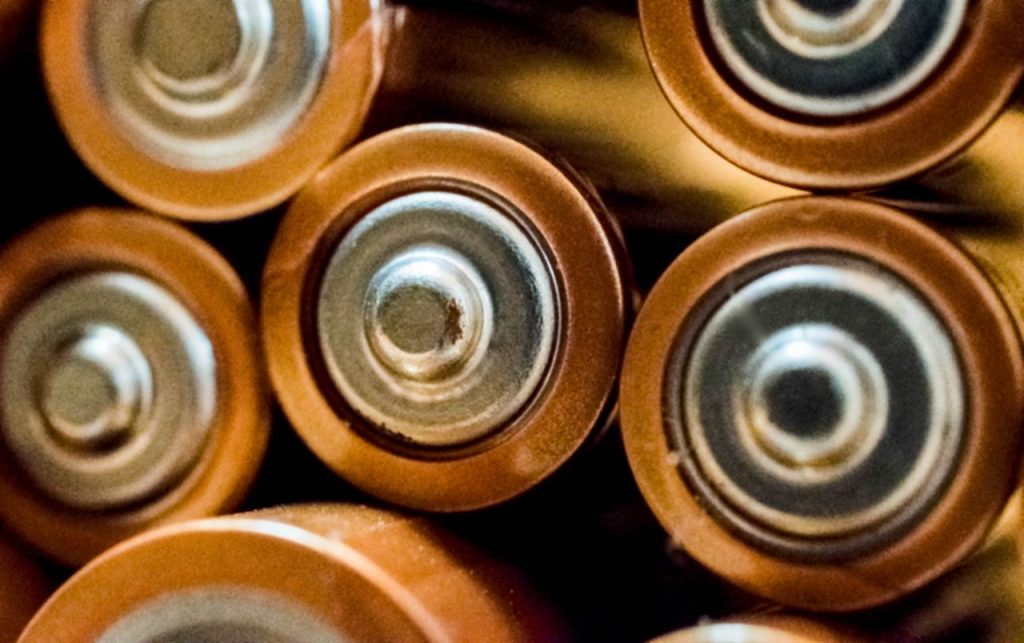
Most businesses use batteries in one form or another, but many aren’t sure how they should be disposed of once they’ve reached the end of their life.
Whether it’s a handful of batteries from office equipment or large industrial batteries from forklifts and backup power systems, they shouldn’t be thrown into a general waste bin. Batteries contain materials that can harm the environment if they’re disposed of incorrectly, and some can present a fire risk if they’re damaged or stored improperly.
The good news is that battery disposal is straightforward when you have the right collection service in place.
Why Can’t Batteries Go in General Waste?
Batteries contain metals and chemicals that can leak into the environment if they’re sent to landfill or damaged during disposal.
Lithium batteries have also become a growing concern because they can ignite if they’re crushed or punctured. Waste fires caused by incorrectly disposed batteries are becoming increasingly common, which is why businesses are encouraged to keep them separate from their general waste.
For most organisations, separating batteries is a simple way of reducing risk while ensuring they’re disposed of responsibly.
Which Businesses Need Battery Disposal?
Almost every business produces waste batteries at some point.
Offices regularly replace batteries in keyboards, mice, smoke alarms and other equipment. Warehouses and factories may use rechargeable batteries in scanners and tools, while garages, transport companies and engineering businesses often deal with vehicle batteries.
Larger organisations may also have batteries from emergency lighting, UPS systems, telecommunications equipment or electric vehicles.
Whatever the type, it’s worth having a clear process for storing and disposing of them safely.
What Types of Batteries Can Be Collected?
Battery collection services can usually accept a wide range of batteries, including household batteries, rechargeable batteries, lithium batteries, lead-acid batteries and many industrial battery types.
Different batteries require different recycling processes, so it’s important not to mix them together unless you’ve been advised it’s safe to do so.
If you’re unsure whether a particular battery can be collected, it’s always better to ask before disposing of it.
Storing Waste Batteries Safely
Before collection, batteries should be stored somewhere dry and secure where they’re unlikely to become damaged.
Damaged batteries should be handled carefully, particularly lithium batteries, as they can become unstable if crushed or exposed to heat.
It’s also good practice to keep different battery types separate wherever possible. This makes recycling easier and helps reduce the risk of unwanted chemical reactions during storage or transport.
If your business generates larger quantities of batteries, Wastege can also supply suitable containers and storage solutions to keep them organised until collection.
How Often Should Batteries Be Collected?
Unlike general waste, battery collections are rarely needed every week.
Many businesses simply arrange a collection once enough batteries have accumulated, while larger sites may include battery disposal as part of their regular hazardous waste collection service.
The right approach depends on how many batteries your business uses and how much storage space you have available.
How Much Does Battery Disposal Cost?
The cost of battery disposal depends on the type and quantity of batteries being collected.
Small collections of portable batteries are generally straightforward, while larger industrial batteries may require specialist handling or transport equipment.
If your business already has a commercial waste contract, combining battery collections with other waste services can often be a more efficient solution.
If you’re unsure what service you need, a waste evaluation can help identify the most practical and cost-effective option.
What Happens to Waste Batteries?
Once collected, batteries are taken to authorised recycling facilities where they’re sorted by type.
Many of the materials inside them, including lead, lithium, nickel and cobalt, can be recovered and used to manufacture new products. Recycling helps reduce the demand for raw materials while preventing hazardous substances from entering the environment.
It’s one of the reasons battery recycling has become such an important part of modern waste management.
How Wastege Can Help
Wastege helps businesses dispose of waste batteries safely and compliantly, whether you produce a small number of office batteries or larger industrial battery waste.
We’ll recommend the right storage solution, arrange collections when you need them and make sure your batteries are managed responsibly from collection through to recycling. If you also produce other hazardous waste or general business waste, we can manage those services under one account to make things simpler.
Frequently Asked Questions
Can businesses throw batteries in the bin?
No. Batteries shouldn’t be disposed of with general waste. They should be separated and collected for recycling or specialist disposal.
Are lithium batteries hazardous?
Many lithium batteries require careful handling because they can present a fire risk if they’re damaged or stored incorrectly.
How often should batteries be collected?
Most businesses only need collections when they’ve accumulated a reasonable quantity, although larger organisations may arrange regular collections.
Can rechargeable batteries be recycled?
Yes. Most rechargeable batteries can be recycled, allowing valuable materials to be recovered and reused.
Arrange Battery Collection
If your business needs a reliable battery disposal service, Wastege can help.
Get in touch for a free, no-obligation quotation and we’ll recommend the most suitable collection service for the types of batteries your business produces.