
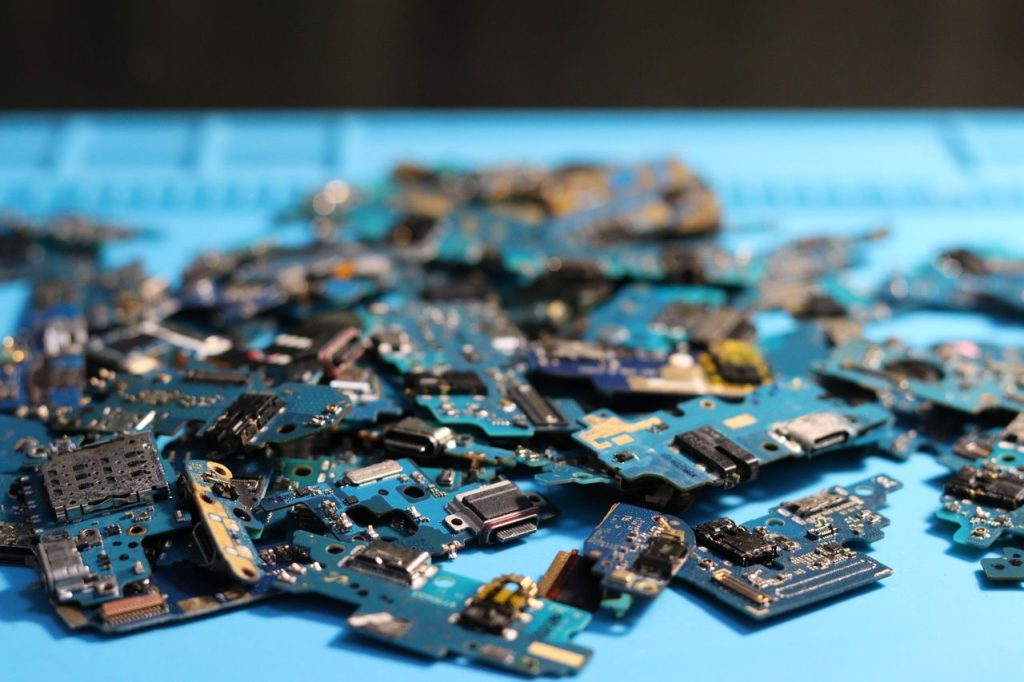
Every business eventually has to replace electrical equipment.
It might be a handful of laptops that have reached the end of their life, old monitors gathering dust in a storeroom or larger items such as photocopiers, servers or commercial appliances that are no longer needed. Whatever the equipment, it shouldn’t simply be put in a skip or disposed of with your general waste.
Electrical items contain valuable materials that can often be recovered and reused, but they can also contain substances that need specialist handling. That’s why they’re covered by the Waste Electrical and Electronic Equipment (WEEE) Regulations.
What Is WEEE?
WEEE stands for Waste Electrical and Electronic Equipment.
In simple terms, it’s any electrical item that’s no longer wanted or no longer works. If it needs a plug, battery or charger to operate, there’s a good chance it’s classed as WEEE once it’s ready to be disposed of.
Common examples include computers, monitors, printers, televisions, kitchen appliances, lighting equipment, power tools, IT equipment and telecommunications devices.
For most businesses, WEEE builds up gradually over time as equipment is upgraded or replaced.
Why Can’t WEEE Go in General Waste?
Electrical equipment is made from a mixture of materials.
Many of these, including metals, plastics and glass, can be recovered through recycling. Some items also contain hazardous components that need to be removed and treated safely before the rest of the equipment can be processed.
Throwing electrical equipment into general waste means valuable materials are lost and potentially harmful substances may not be dealt with properly.
Recycling WEEE helps reduce waste, conserves natural resources and ensures equipment is processed responsibly.
Which Businesses Produce WEEE?
Almost every business produces electrical waste at some point.
Offices regularly replace laptops, desktop computers, monitors and printers. Shops dispose of tills, card machines and display screens. Manufacturers upgrade machinery and electrical tools, while schools, healthcare providers and warehouses all replace equipment as it reaches the end of its working life.
Even if your business only replaces a few electrical items each year, you’ll still need to make sure they’re disposed of correctly.
What Can Be Recycled?
Most electrical equipment can be collected as WEEE.
This includes computers, laptops, monitors, printers, servers, telephones, photocopiers, televisions, cables, routers, kitchen appliances, vending machines and many other electrical devices.
Some equipment, particularly larger industrial machinery or specialist electrical installations, may require a tailored collection service, so it’s always worth checking if you’re unsure.
What Happens to WEEE?
Once collected, electrical equipment is taken to an authorised recycling facility where it’s sorted and dismantled.
Items are broken down into their different materials, allowing metals, plastics and glass to be recovered for use in new products. Batteries, refrigerants and other hazardous components are removed separately before the remaining materials are recycled.
Many businesses are surprised by how much of their old equipment can actually be recovered rather than sent for disposal.
What About Data Security?
For many organisations, disposing of computers and other IT equipment isn’t just about recycling. It’s also about protecting sensitive information.
Before laptops, desktop computers, servers or storage devices leave your premises, any confidential data should be securely erased or destroyed.
If your business regularly replaces IT equipment, it’s worth discussing your data security requirements before arranging collection.
How Much Does WEEE Disposal Cost?
The cost of WEEE disposal depends on the type and quantity of equipment being collected.
A small office clearing out a few old computers will have very different requirements to a manufacturer disposing of redundant machinery or a business replacing an entire IT system.
In many cases, combining WEEE disposal with your existing commercial waste collection or hazardous waste collection service makes waste management simpler and more cost-effective.
If you’re unsure what service you need, a waste evaluation is a good place to start.
How Wastege Can Help
Wastege provides WEEE collection for businesses across the UK, helping organisations dispose of unwanted electrical equipment safely and responsibly.
Whether you’re replacing a few office computers or clearing electrical equipment from multiple sites, we’ll arrange a collection that suits your business and ensure your WEEE is handled in line with current regulations. We can also manage other waste streams at the same time, making it easier to keep everything under one provider.
Frequently Asked Questions
What does WEEE stand for?
WEEE stands for Waste Electrical and Electronic Equipment. It covers most electrical items that have reached the end of their useful life.
Can businesses throw electrical equipment in a skip?
No. Most electrical equipment should be collected separately and processed through an authorised WEEE recycling service.
Do laptops and computers count as WEEE?
Yes. Computers, laptops, monitors, printers and most other office IT equipment are all classed as WEEE when they’re no longer needed.
What should I do with confidential data before disposal?
Any sensitive information should be securely erased or destroyed before equipment leaves your premises.
Arrange WEEE Collection
If your business has unwanted electrical equipment to dispose of, Wastege can help.
Get in touch for a free, no-obligation quotation and we’ll recommend the most suitable WEEE collection service for your business, ensuring your old equipment is recycled responsibly and compliantly.